


Dehradun:
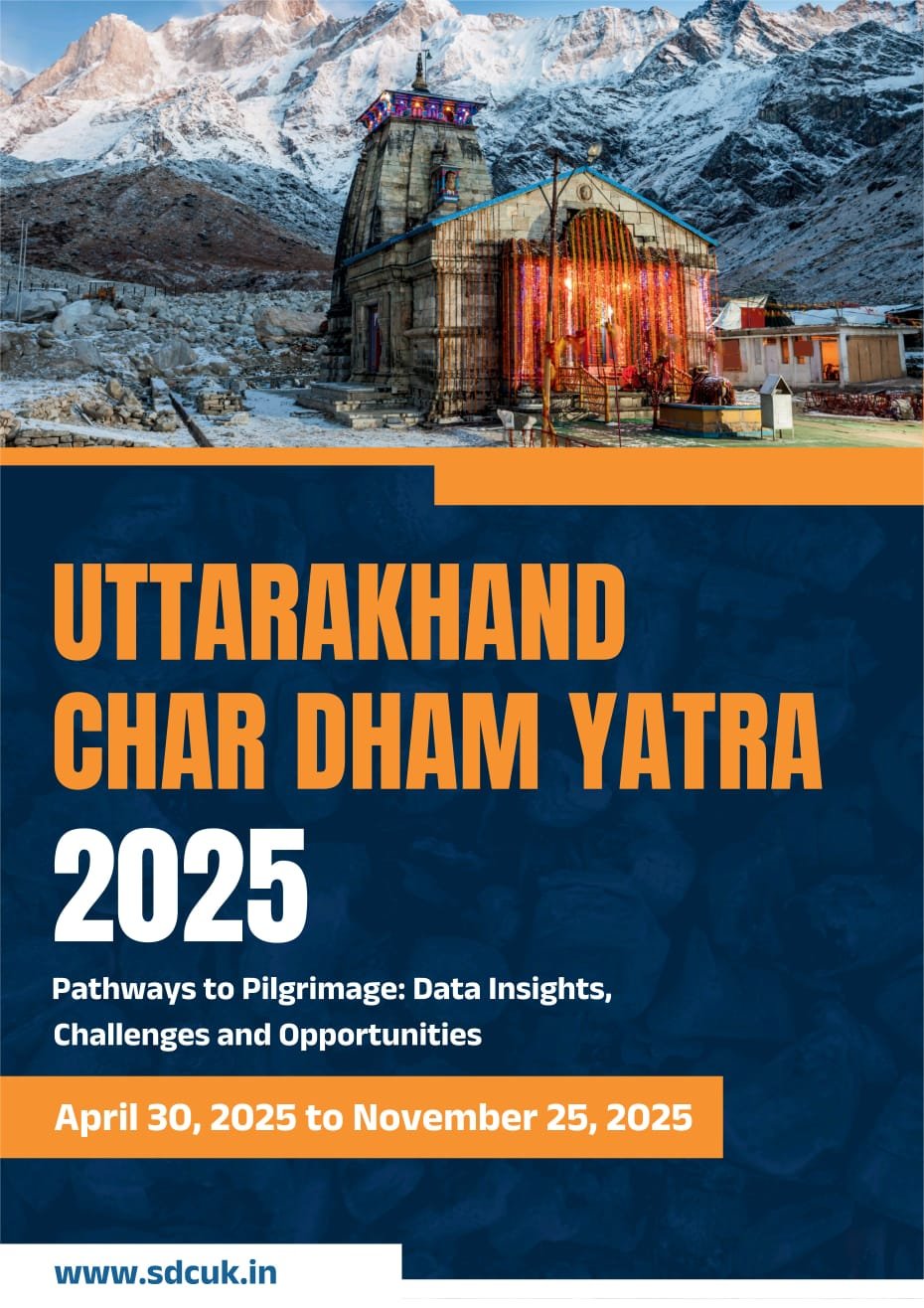
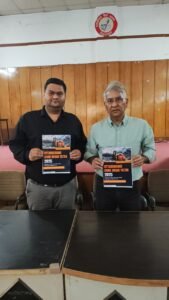
A detailed report released by the SDC Foundation on Char Dham Yatra 2025 has highlighted serious concerns regarding crowd distribution, safety risks, and gaps in overall management. Titled “Pathways to Pilgrimage: Data Insights, Challenges and Opportunities,” the report was unveiled during a press conference in Dehradun.

According to the report, a total of 5,106,346 pilgrims undertook the Char Dham Yatra in 2025, marking a 6.4% increase compared to 2024, though still lower than the 2023 figures.
The analysis reveals a highly uneven distribution of pilgrims, with 72% completing the yatra within the first 60 days. Of these, 34% arrived in the first 30 days, while another 38% visited between days 31 and 60, leading to excessive pressure during the initial phase.
May and June alone accounted for nearly 72% of the total footfall, whereas the monsoon months from July to September saw a sharp decline, contributing only 17% of pilgrims. The week between June 4 and June 10 was the busiest, recording 547,084 visitors—around 11% of the total yatra footfall.
The report also highlights that there were 86 “zero-pilgrim days” across the five shrines during the yatra period. Yamunotri and Gangotri recorded the highest number of such days, reflecting significant disruptions due to weather and infrastructure issues.
Key challenges identified include overcrowding during peak periods, strain on infrastructure, environmental degradation, and safety concerns in high-altitude Himalayan regions.
Concerns over helicopter safety have also been raised. Within a span of six weeks, five helicopter-related incidents were reported, including two fatal crashes that claimed around 13 lives. A major दुर्घटना near Gaurikund was cited as a critical example of operational risks in the region.
The SDC Foundation has urged the government to shift focus from achieving record pilgrim numbers to ensuring safe, sustainable, and data-driven yatra management. Recommendations include implementing carrying capacity regulations, strengthening disaster management systems, improving healthcare preparedness, and promoting environmentally responsible practices.
The foundation stated that the report will be submitted to key policymakers and stakeholders to help improve planning and ensure a safer pilgrimage experience in the future.
